
Why Ukiyo-e Matters for Tattoo Lovers
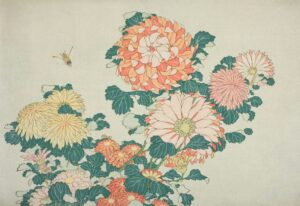
Ukiyo-e—Japan’s world-renowned woodblock print tradition—has influenced tattoo art for over 200 years.
Many modern tattoo motifs, from dragons to waves to warrior scenes, were first popularized in Edo-period prints.
While clients often reference Kuniyoshi specifically, requests inspired by Hokusai, Hiroshige, Yoshitoshi, and other masters are also extremely common.
Understanding ukiyo-e is one of the best ways to appreciate the meaning and structure of Japanese tattoo designs today.
Why Ukiyo-e × Tattoos Fit So Naturally
Edo-period ukiyo-e and Japanese tattoo culture grew together:
■ Shared Visual Language
• Strong outlines
• Flowing movement
• Narrative composition
• Mythology and folklore
• Nature motifs (waves, wind, clouds, animals)
These visual rules are still used by tattoo artists when designing sleeves, back pieces, and even small motifs.
■ Shared Audience
Ukiyo-e prints and tattoos were historically enjoyed by:
• Edo firefighters
• Craftsmen
• Common townspeople
Their aesthetic values—boldness, personal expression, humor—shaped Japan’s unique tattoo culture.
■ Shared Spirit
Ukiyo-e often broke artistic “rules,” just like tattoos:
• Frames that characters break through
• Heroic motion
• Exaggerated anatomy
• Hybrid creatures (dragons, yokai, supernatural beings)
This dynamism continues to inspire modern artists worldwide.
Major Ukiyo-e Artists Influencing Modern Tattoos
1. Utagawa Kuniyoshi(歌川国芳, 1797–1861)
Motifs often requested by tattoo clients:
• Warriors
• Giant skeletons
• Cats(He is well know as a cat person)
• Mythical beasts
Symbolism:strength, rebellion, humor.
2. Katsushika Hokusai(葛飾北斎, 1760–1849)
Globally recognized for:
• The Great Wave
• Dragon illustrations
• Nature and movement
Symbolism:power of nature, resilience, spiritual energy.
3. Utagawa Hiroshige(広重, 1797–1858)
Known for landscapes such as:
• 53 Stations of the Tokaido
• Seasonal scenery
Symbolism:travel, transience, calmness, Japanese aesthetics.
4. Tsukioka Yoshitoshi(月岡芳年, 1839–1892)
Famous for:
• Dramatic storytelling
• Ghosts and folklore
• Psychological expression
Symbolism:duality, emotion, human depth.
5. Hishikawa Moronobu(菱川師宣) & early ukiyo-e
Minimalistic linework used as inspiration for:
• fine-line tattoos
• simple outline-focused pieces
Ukiyo-e Motifs & Their Tattoo Meanings Today
● Waves(波) – Hokusai style

Strength, resilience, flow of life.
● Dragons(龍) – Kuniyoshi / Hokusai
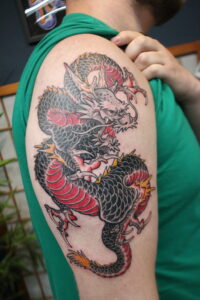
Wisdom, protection, power.
● Warriors(武者) – Kuniyoshi

Courage, identity, inner discipline.
● Ghosts & Yokai(妖怪) – Yoshitoshi
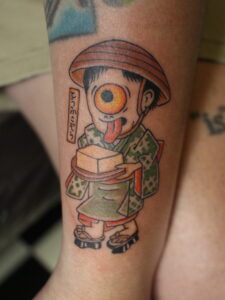
Spiritual connection, shadow self.
● Animals(猫・虎・鯉など)
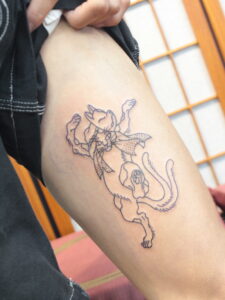
Luck, bravery, transformation.
These meanings help clients choose motifs that resonate with their personal stories.
Where to See Ukiyo-e in Tokyo Before Your Tattoo Session
Studying originals can significantly improve design communication with your tattoo artist.
◆ Ota Memorial Museum of Art(Harajuku)
Frequent exhibitions of Kuniyoshi, Hiroshige, Yoshitoshi.
◆ Sumida Hokusai Museum
Best place for Hokusai’s wave and dragon studies.
◆ Tokyo National Museum(Ueno)
Extensive Edo prints, including early ukiyo-e.
Why Japan Tattoo Is a Strong Match for Ukiyo-e-Inspired Designs
✔ Artists familiar with ukiyo-e composition
We understand how flow, lineweight, and negative space are used in Edo prints.
✔ Culturally accurate symbolism
We explain motif meanings clearly to international clients.
✔ Modern adaptation
While honoring traditional structure, we adjust design to body shape and personal aesthetic.
✔ English-friendly consultation
We help clients bridge cultural and artistic gaps smoothly.
Japan Tattoo positions itself as a culturally knowledgeable, globally accessible studio.
Carrying Edo Art on Your Skin
An ukiyo-e-inspired tattoo is more than a beautiful design—
It is a continuation of a cultural tradition that connects:
• Edo creativity
• Japanese symbolism
• Your personal story
Whether you love Kuniyoshi’s dynamic warriors, Hokusai’s waves, Hiroshige’s landscapes, or Yoshitoshi’s supernatural worlds, ukiyo-e offers a deep well of artistic meaning.
Japan Tattoo can help translate that history onto your skin with accuracy and respect.
No Comments Yet